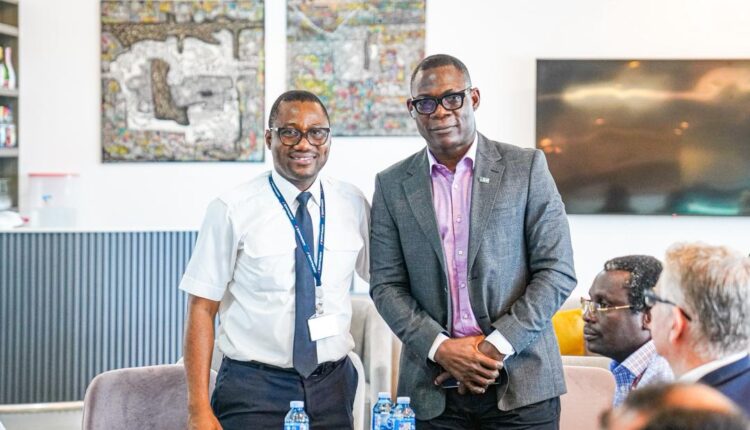
The Managing Director, Federal Airports Authority of Nigeria, Mrs. Olubunmi Kuku, says policy inconsistencies and stalled concession processes are continuing to discourage private investment in Nigeria’s airport infrastructure.
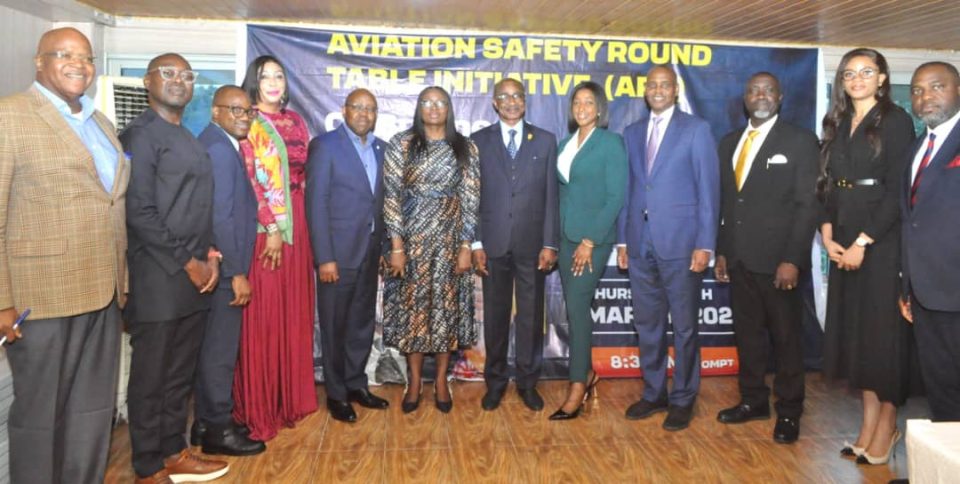
Speaking at the 2026 first quarter Business Breakfast Meeting, BBM, of the Aviation Safety RoundTable Initiative in Lagos, Mrs Kuku noted that the country is still playing catch-up after years of underinvestment, stressing that government alone cannot fund the scale of development required across the sector.
In a presentation on transforming Murtala Muhammed International Airport, MMIA, Lagos into a safe and economically viable hub, she said uncertainty over investment models, particularly between concessions and institutional financing, has created hesitation among both local and international investors.
Repeated but inconclusive attempts by successive administrations to concession major airports, she added, have further weakened investor confidence.
Despite these challenges, Mrs. Kuku highlighted ongoing efforts to upgrade infrastructure, including the reconstruction of Terminal One in Lagos and expansion works on runways and aprons across key airports, as part of a broader push to position Nigeria as a regional aviation hub.
The FAAN boss explained that the MMIA reconstruction, is focused on improving passenger processing, upgrading obsolete systems and addressing long-standing design and operational inefficiencies.
An airline operator, Mr. George Uriesi explained that hub status depends largely on transit traffic, with at least 30 percent of passengers connecting through an airport, warning that Nigeria’s fragmented airline structure limits its ability to achieve this threshold.
He emphasised that infrastructure, airline capacity, and service quality must evolve simultaneously, noting that poor passenger experience could undermine even the most modern facilities.
From a technology perspective, Chief Executive Officer of a tech company, Ms. Charlotte Essiet, said the current plans, while robust, must expand beyond traditional aviation models to accommodate emerging innovations.
Chairman, International Airline Operators Committee, Mr. Damilola Ogunseye urged proactive planning in ongoing terminal renovations, warning against repeating past mistakes, particularly in project execution and oversight.
He also stressed the need for expansion planning to accommodate future traffic growth, rather than reacting only when capacity becomes overstretched.
Representative of one of the ground Handling Company, Mr. Sola Obabori, while acknowledging ongoing improvements at the airport, called for continued collaboration across all service providers and a more balanced cost structure within the industry, warning that high operating costs and financing challenges could ultimately impact airline sustainability.
President of the Aviation Safety RoundTable Initiative, Air Commodore Ademola Onitiju, retired, called for greater innovation, sustainability and adoption of global best practices, including open skies policies, expressing optimism that ongoing reforms and stronger collaboration will unlock the sector’s potential and drive economic growth.